



Two documentaries exploring ACEs and the science of resilience
About The Films
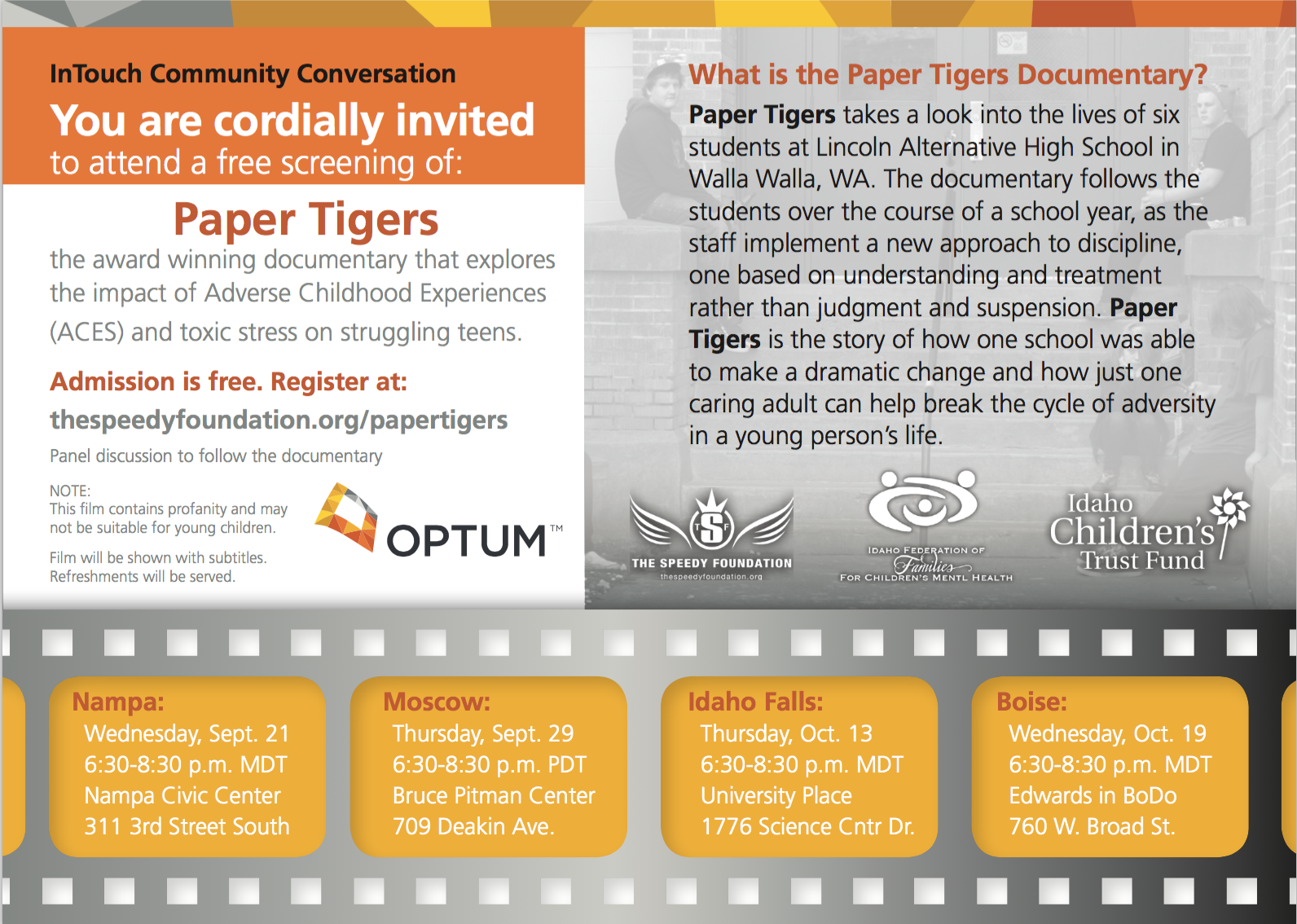
Parents, teachers, providers and community members were invited to learn about the positive approaches of dealing with child and adolescent trauma and the effects that positive engagements have over punitive punishment.
Admission was free and refreshments were served.
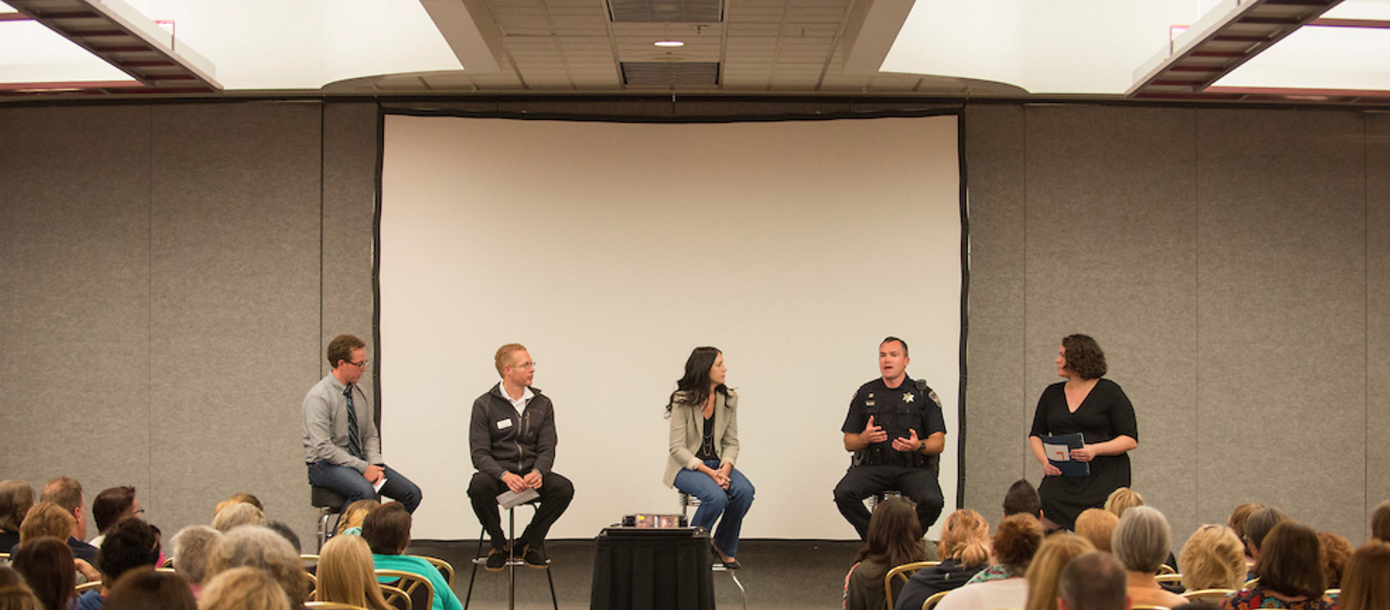
The film is 60 minutes long. Immediately following the film, a panel discussion with local experts occured.
The film was shown with subtitles.
The film is not rated. It might not be suitable for children.
These screenings are sponsored by Optum Idaho, Idaho Federation of Families, Idaho Children's Trust Fund and The Speedy Foundation.

Adverse Childhood Experiences (ACEs)
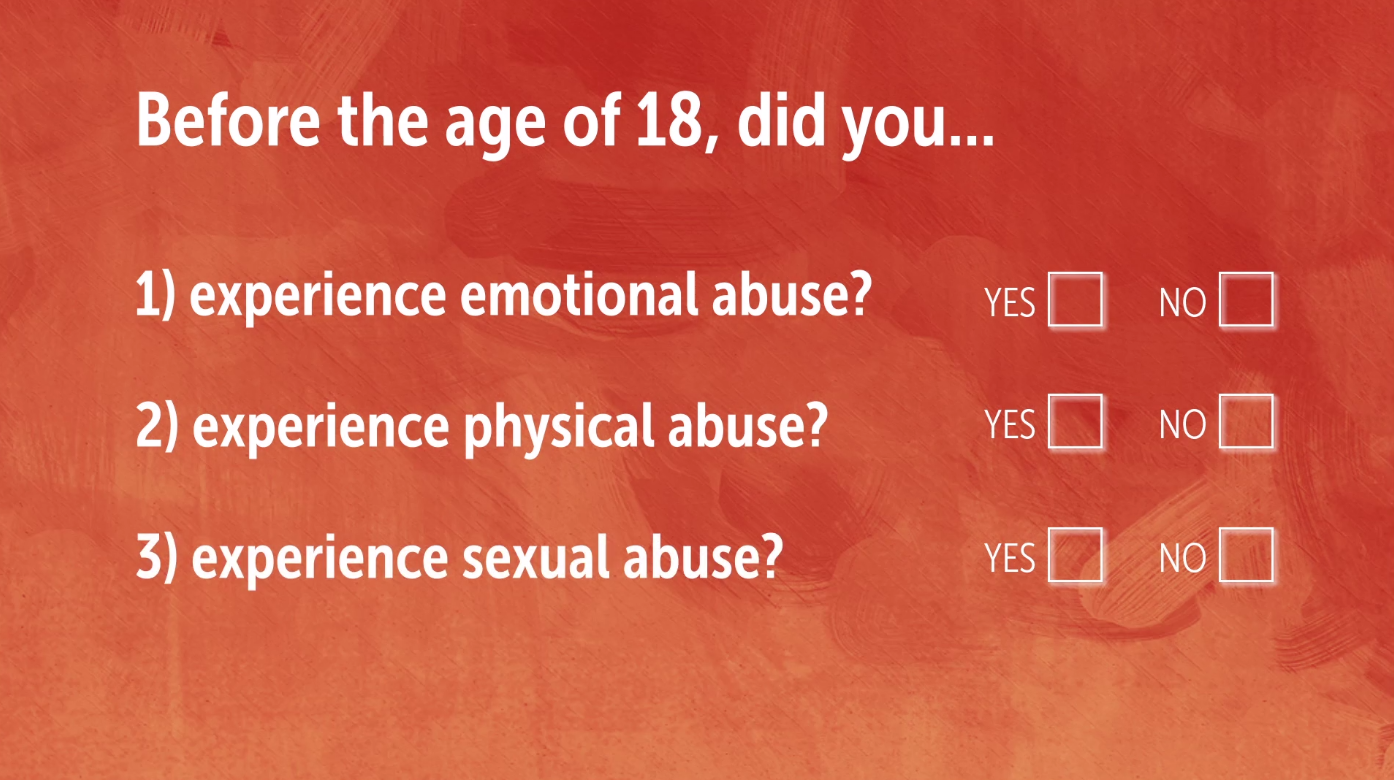
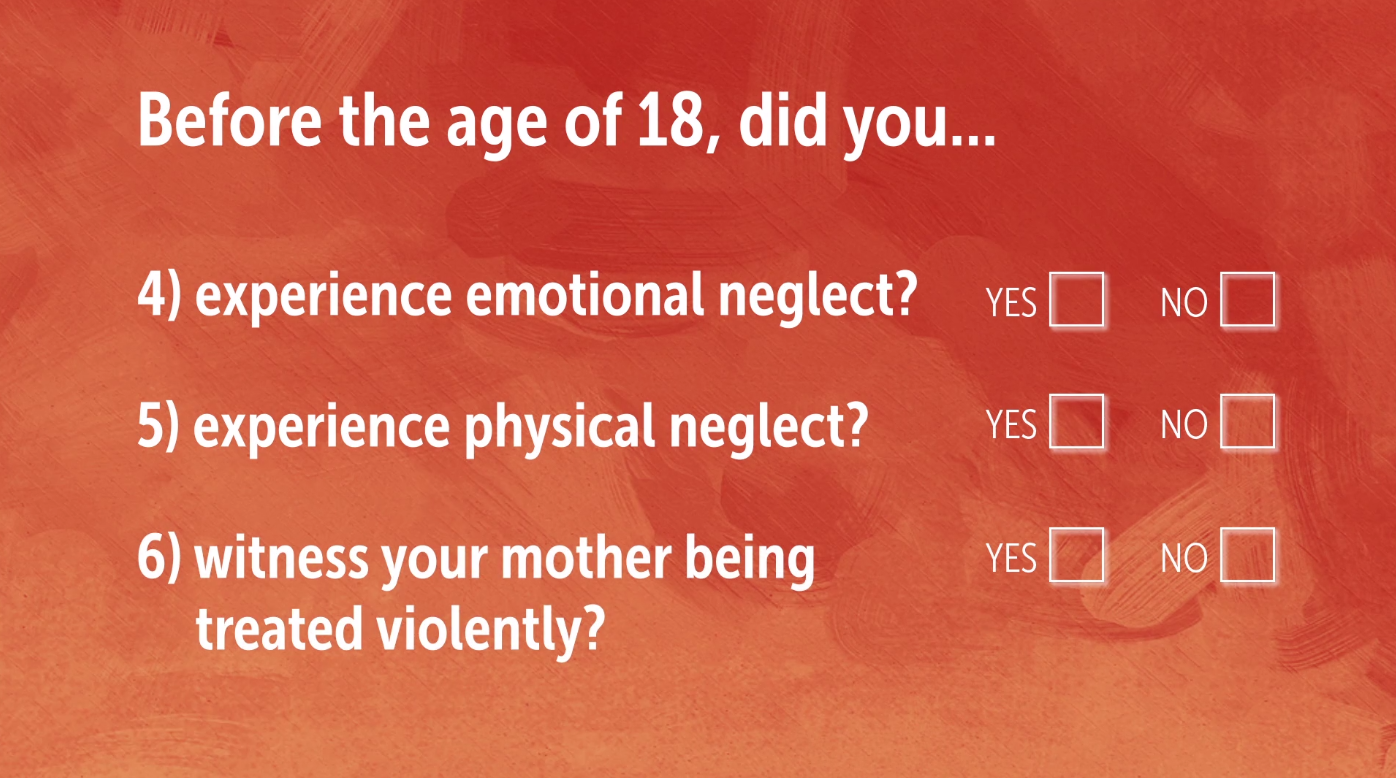
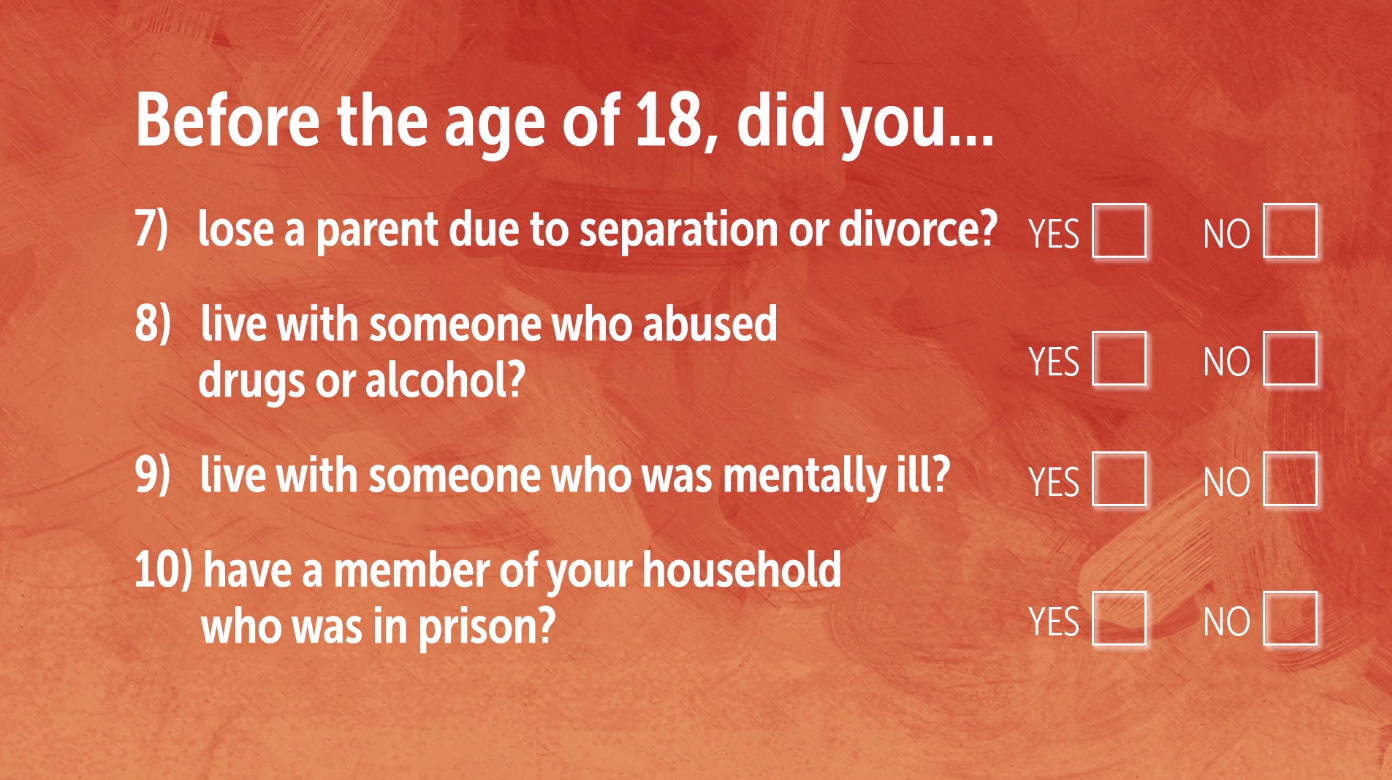
More than two decades ago, two respected researchers, clinical physician Dr. Vincent Felitti and CDC epidemiologist Robert Anda, published the game-changing Adverse Childhood Experiences Study (ACEs.) It revealed a troubling but irrefutable phenomenon: the more traumatic experiences the respondents had as children (such as physical and emotional abuse and neglect), the more likely they were to develop health problems later in life—problems such as cancer, heart disease, and high blood pressure. To complicate matters, there was also a troubling correlation between adverse childhood experiences and prevalence of drug and alcohol abuse, unprotected sex, and poor diet. Combined, the results of the study painted a staggering portrait of the price our children are paying for growing up in unsafe environments, all the while adding fuel to the fire of some of society’s greatest challenges.
"What's predictable is preventable."
However, this very same study contains the seed of HOPE: all of the above-mentioned risk factors—behavioral as well as physiological—can be offset by the presence of one dependable and caring adult. It doesn’t need to be the mother or the father. It doesn’t even need to be a close or distant relative. More often than not, that stable, caring adult is a teacher.
Examining the emerging science around Toxic Stress and how it negatively alters the brains and bodies of children if left untreated.
"The child may not remember, but the body remembers."
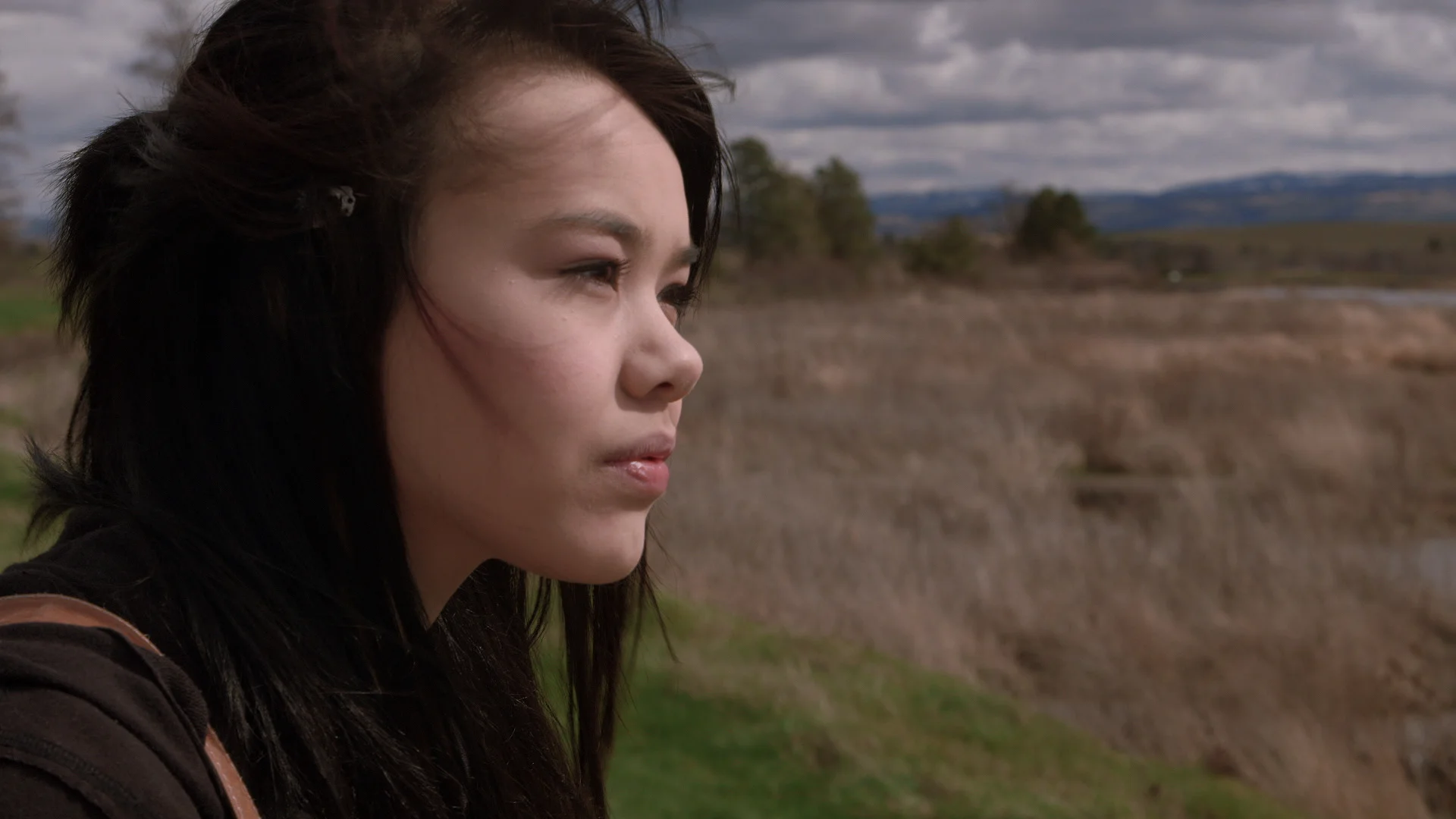
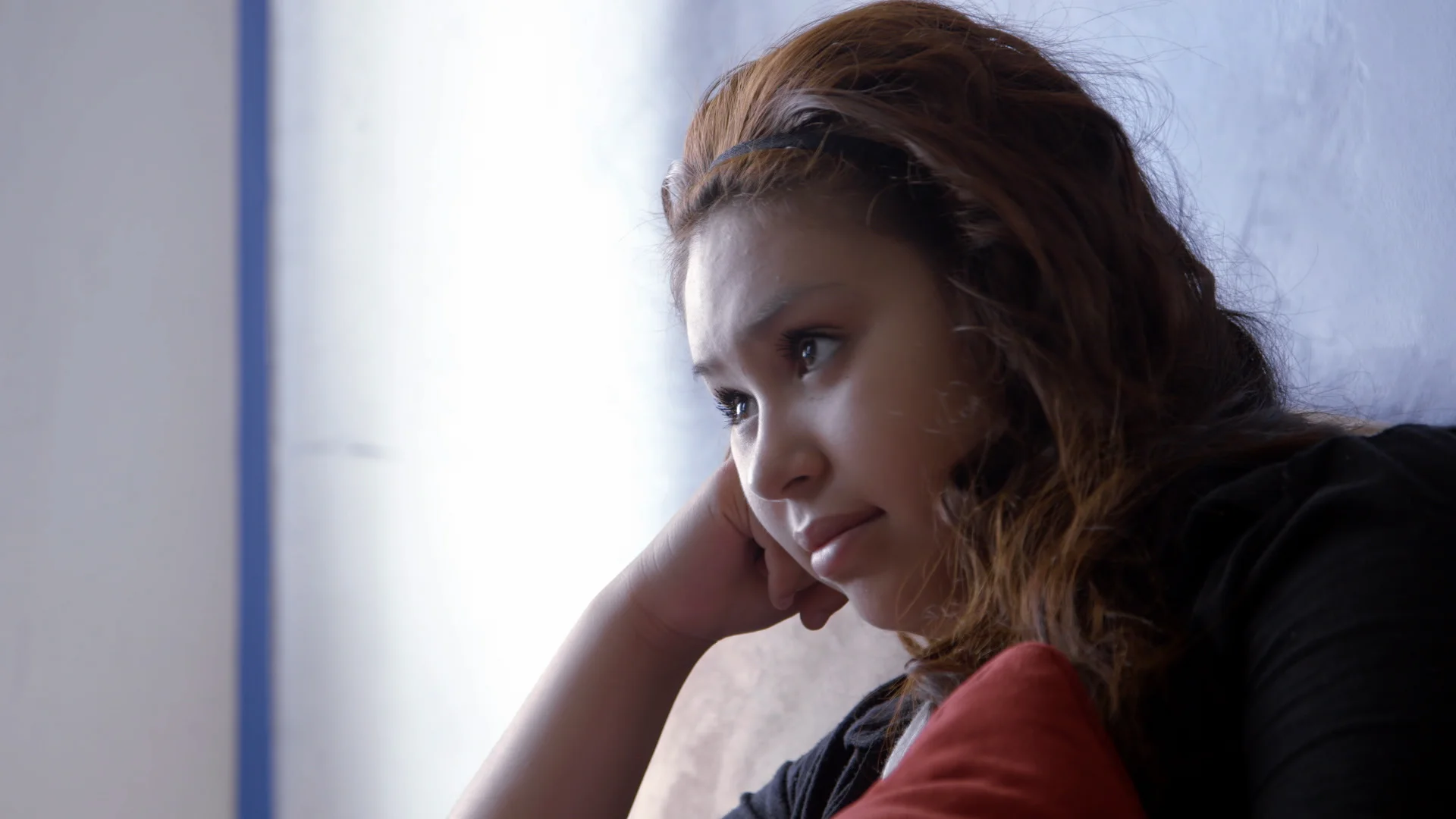
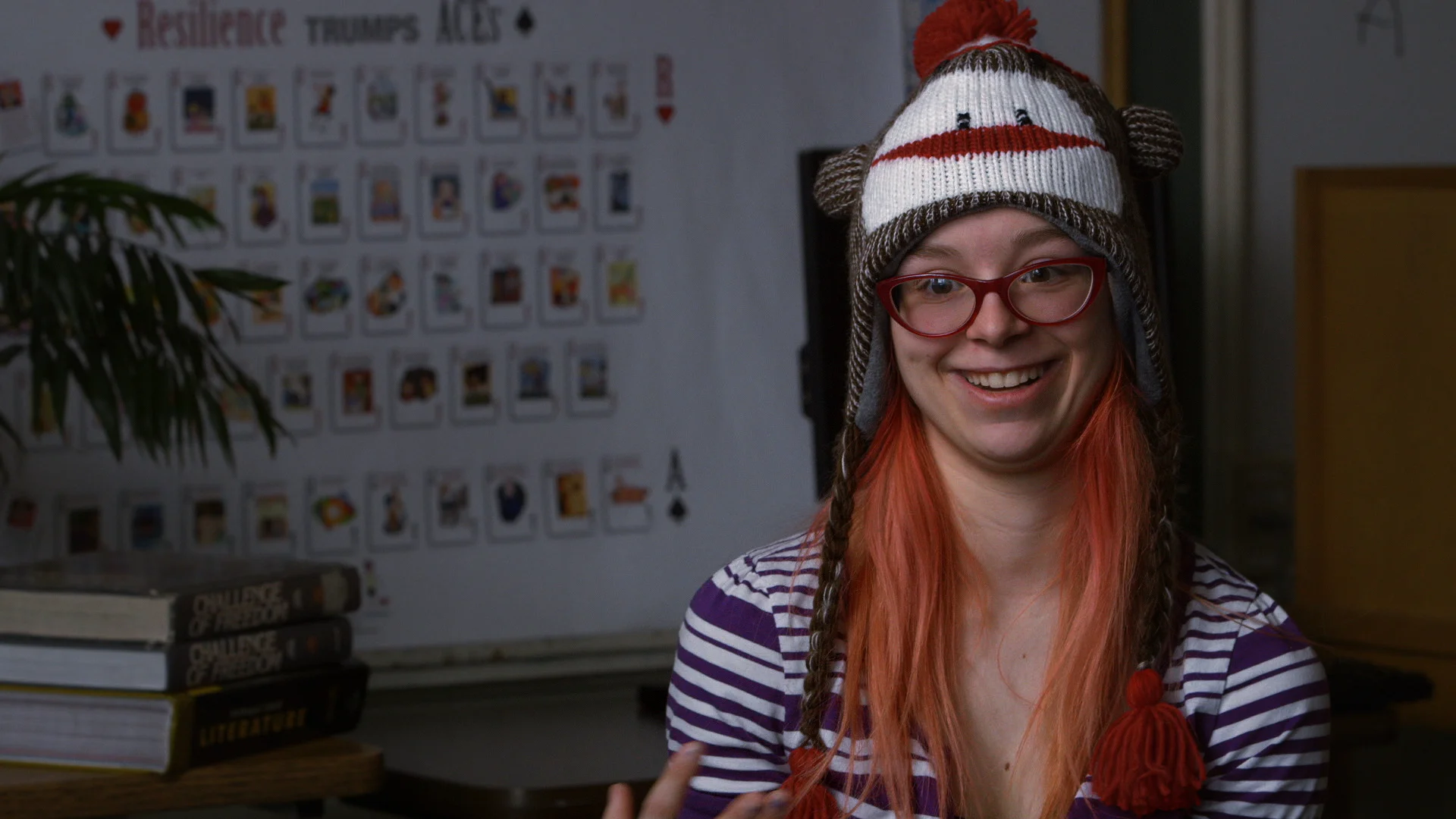
Researchers have recently discovered a dangerous biological syndrome caused by abuse and neglect during childhood. As the new documentary Resilience reveals, toxic stress can trigger hormones that wreak havoc on the brains and bodies of children, putting them at a greater risk for disease, homelessness, prison time, and early death. While the broader impacts of poverty worsen the risk, no segment of society is immune. Resilience, however, also chronicles the dawn of a movement that is determined to fight back. Trailblazers in pediatrics, education, and social welfare are using cutting-edge science and field-tested therapies to protect children from the insidious effects of toxic stress—and the dark legacy of a childhood that no child would choose.
Captures the pain, the danger and the hopes of struggling teens–and the teachers armed with new science who are changing their lives for the better.
“Stressed brains can’t learn.”
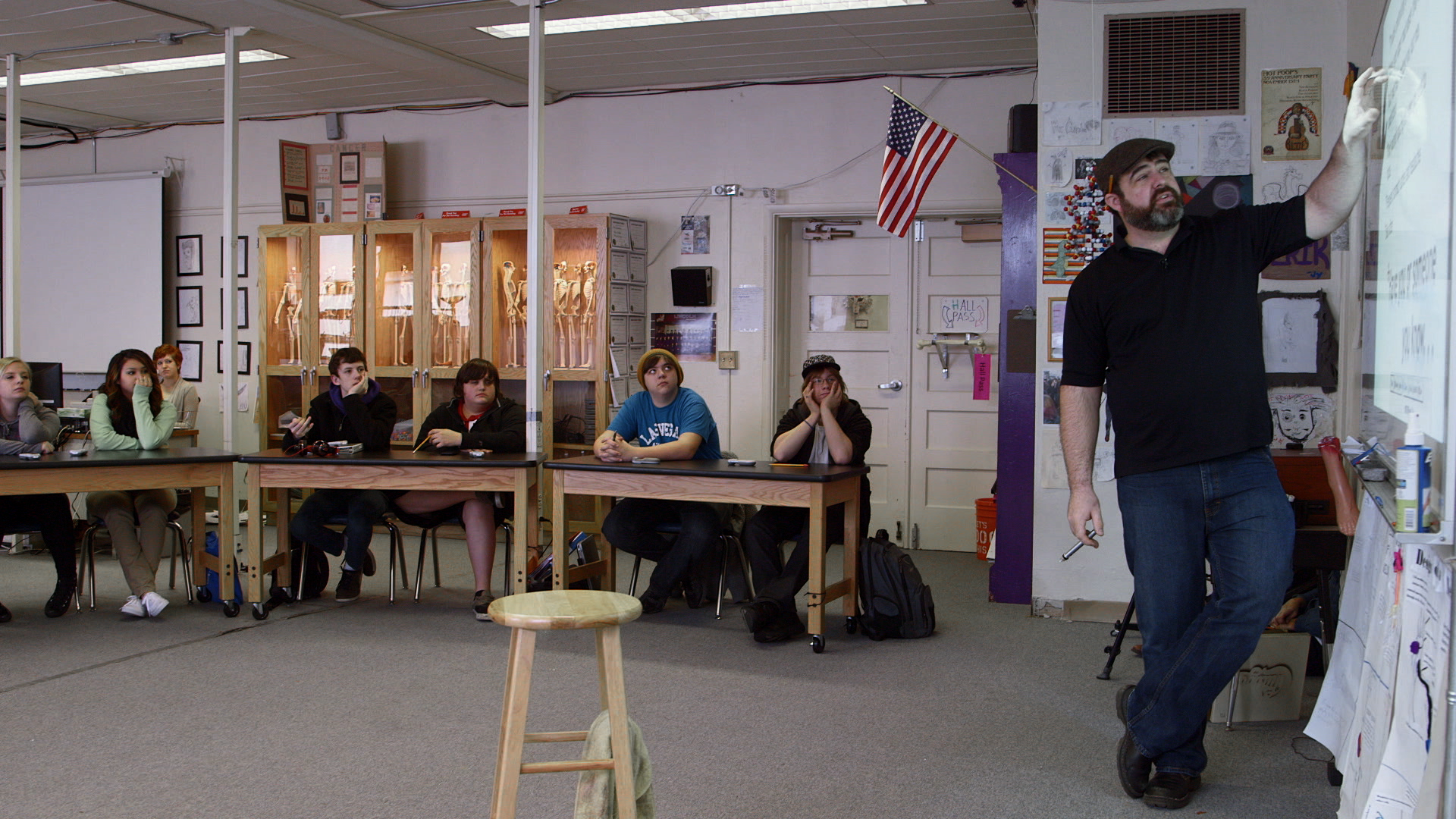
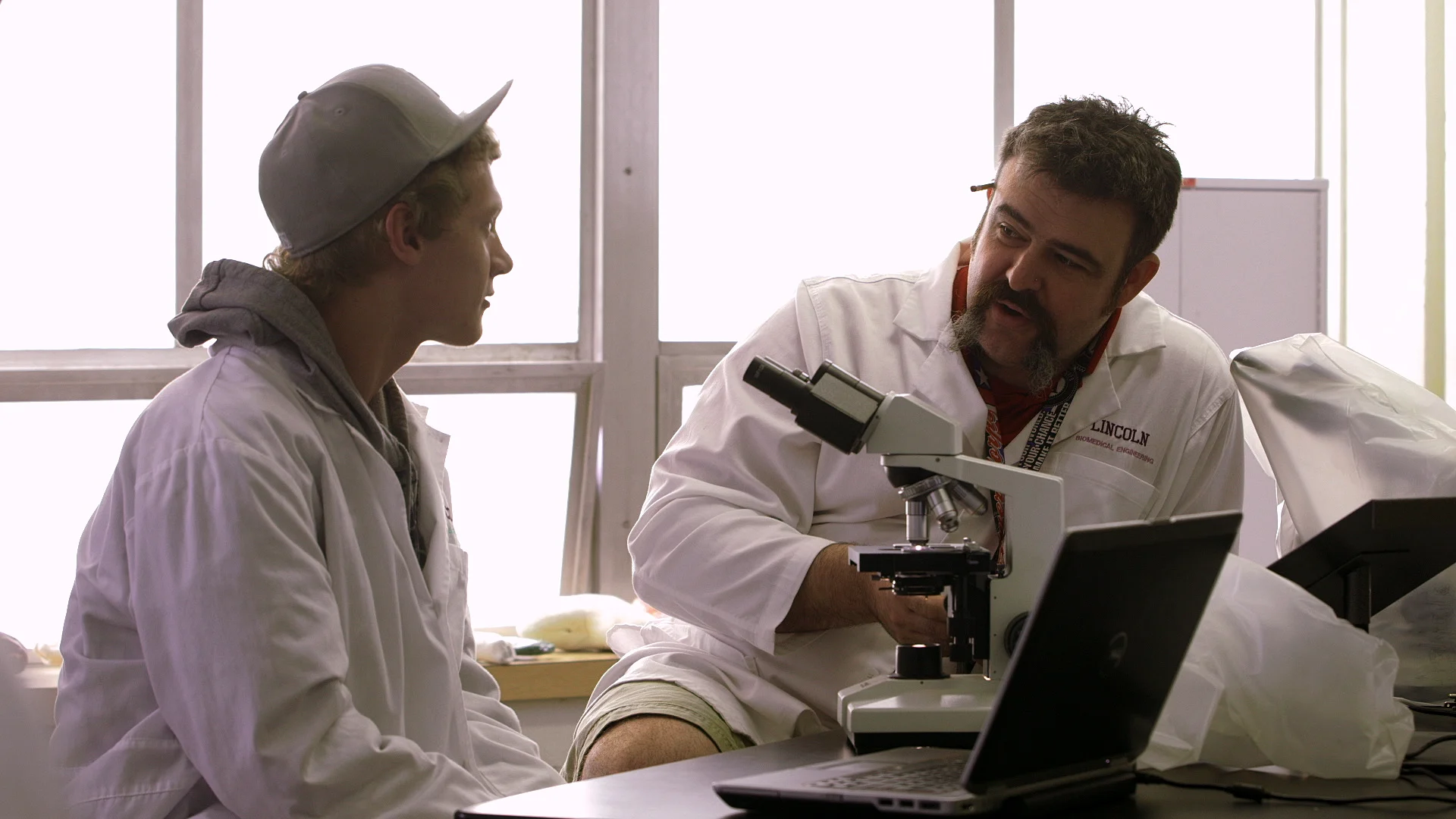
The film follows a year in the life of an alternative high school that has radically changed its approach to disciplining its students, becoming a promising model for how to break the cycles of poverty, violence and disease that affect families.
That was the nugget of neuroscience that Jim Sporleder, principal of a high school riddled with violence, drugs and truancy, took away from an educational conference in 2010. Three years later, the number of fights at Lincoln Alternative High School had gone down by 75% and the graduation rate had increased five-fold. Paper Tigers is the story of how one school made such dramatic progress.
Following six students over the course of a school year, we see Lincoln’s staff try a new approach to discipline: one based on understanding and treatment rather than judgment and suspension. Using a combination of vérité and revealing diary cam footage, Paper Tigers is a testament to what the latest developmental science is showing: that just one caring adult can help break the cycle of adversity in a young person’s life.
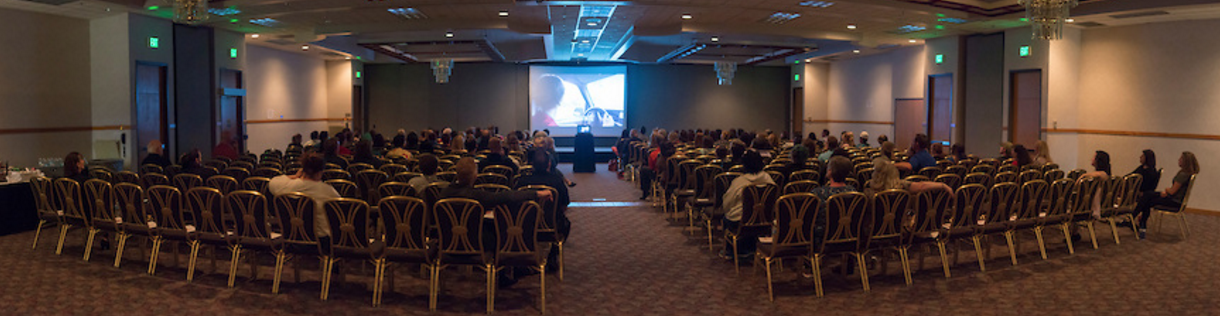
In 2016, Paper Tigers screenings across Idaho sparked important conversations about trauma, resilience, and behavioral health, engaging hundreds of students, parents, providers, and community leaders.
Boise, ID – Oct. 19
500+ attendees, including State Senator Chuck Winder
Strong engagement during Q&A
Interest in upcoming Resilience screening (Spring 2017)
Idaho Falls, ID – Oct. 13
90 attendees: counselors, parents, agencies, providers
Region experiencing rise in teen suicides
Providers from Malad sought resources for crisis response
Same evening as a teen suicide funeral
Moscow, ID – Sept. 29
120 attendees, including alternative high school students and parents
Honest dialogue on breaking cycles of trauma
Parent shared goal of preventing children from repeating their path
Nampa, ID – Sept. 21
152 attendees despite rainy weather
Many alternative high school students in audience
Panel discussion with public Q&A