
Seventeen Years Later, Smooth Old-Fashioned High Returns for a Legacy of Hope
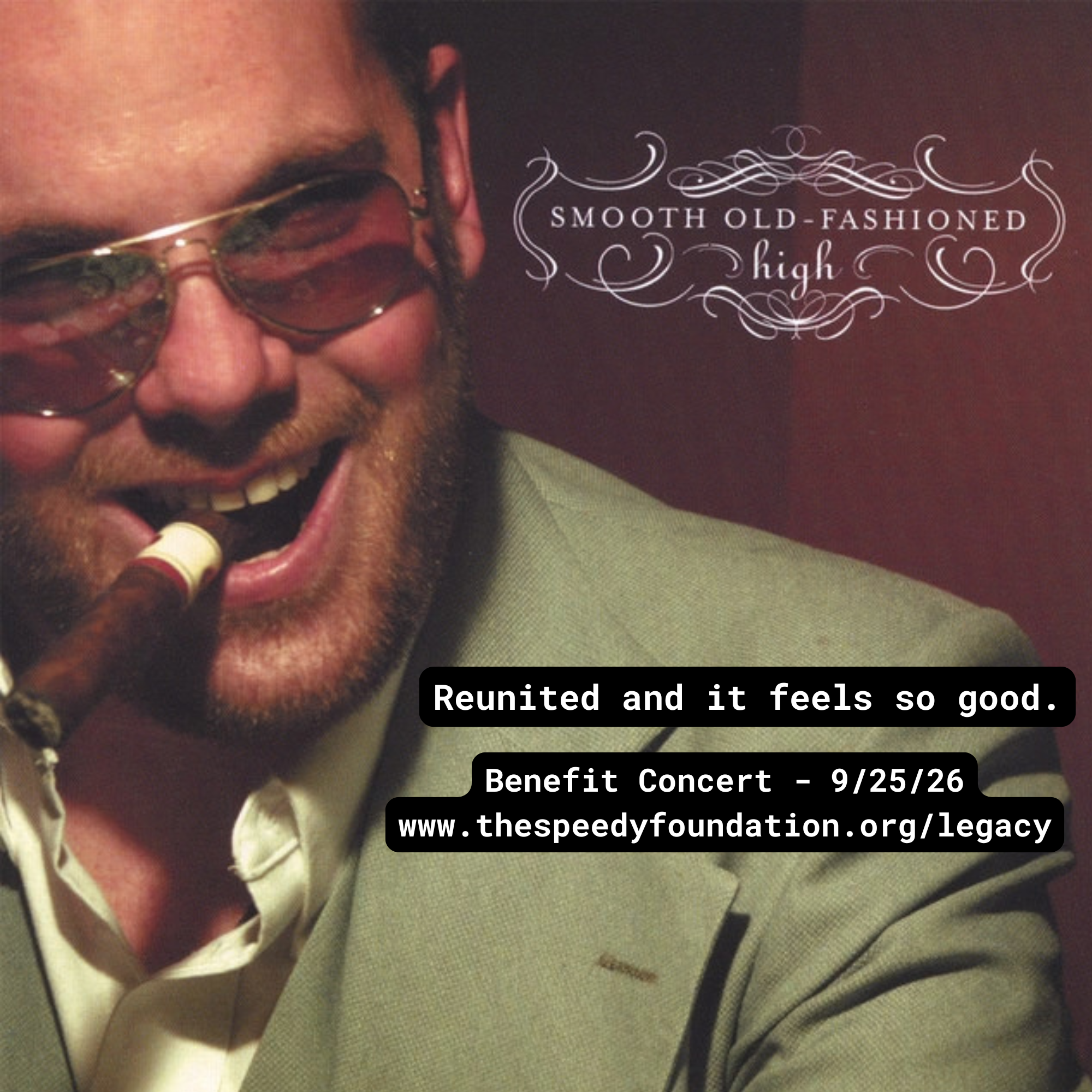
A band born from friendship is getting back onstage for the first time since 2009—this time to help celebrate 15 years of The Speedy Foundation and the enduring power of connection.
There are songs you remember because of the melody. There are shows you remember because of the room, the crowd, or the people standing beside you. And then there are bands that become part of the story of a particular season of life—the friendships, risks, inside jokes, long drives, late nights and dreams that shaped who you were becoming.
For many people in Idaho, Smooth Old-Fashioned High is that kind of band.
On Friday, September 25, most of the original bandmates will take the stage together at Payette Brewing in Boise for the first time since 2009. Their reunion is part of Legacy of Hope, an evening celebrating 15 years of The Speedy Foundation and the people who have carried its mission forward.
Seventeen years is a long time between sets. Careers have been built. Adventures have unfolded. Loves and losses have changed the shape of life. The band members have welcomed ten children among them—some of whom are already discovering musical talents of their own.
But when the first notes begin, the years between then and now may not feel quite so far apart.
A band born in Moscow
Smooth Old-Fashioned High formed in Moscow, Idaho, in 2002, when its members were in college. The origin story is appropriately unpolished: Nick McDowell and Evan Reed were already playing together when they heard Patrick Crozier singing songs from The Little Mermaid while washing dishes at the fraternity house. They told him he should join their band. Russ Lodge entered the picture after meeting Evan at a party and mentioning that he liked to drum. Eric Ingersoll joined later, completing the five-member lineup that became the heart of Smooth Old-Fashioned High.
There were substitutions along the way—including periods when Eric was in Argentina and other members were away—but the five kept finding their way back to one another.
The group began as a Moscow college band, playing house parties, The Plantation and a local Battle of the Bands, which Patrick remembers them winning. After college, the members eventually found themselves in Boise and decided to keep the band going.
They became familiar faces at The Reef, Tom Grainey’s, and the Blues Bouquet—a favorite venue—as well as the Knitting Factory. Opening for Dierks Bentley and playing at Sorry for Partying up at Tamarack became two of the band’s high points. There may have been a performance at the Dirty Shame in Garden Valley, but no one can know for sure.
Musically and personally, their chemistry was never based on being alike.
“We clicked abrasively because we all have different music tastes and we all banter back and forth with each other,” Patrick said. “But we all have thick enough skins that we just make it work. We all appreciate what the others brought to the band. Each of us has our own strengths and weaknesses. Even though we’re all very different people, we just kind of work together.”
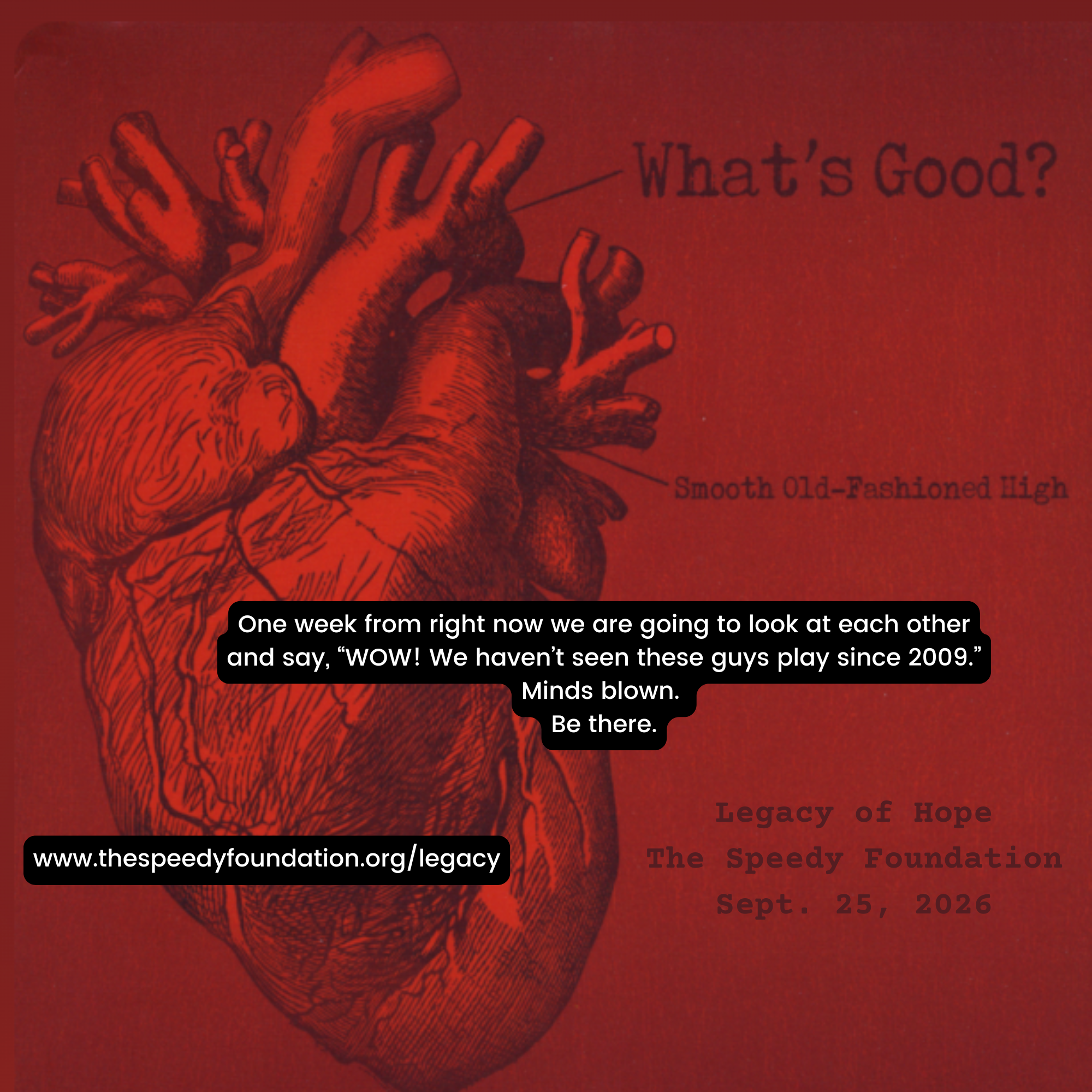
By 2006, the band had released their self titled album Smooth Old Fashioned High. In 2008, Smooth Old-Fashioned High released What’s Good?, a 13-song, 51-minute album that represented the culmination of years of playing together.
The album was financed entirely by the band’s performances. Rather than dividing the money from shows, the members placed every dollar into a band fund until they had saved approximately $16,000. They used it to record the album professionally at two Boise studios.
“What’s Good? was the zenith of all of our hard work and playing,” Patrick said. “It was really important for us to put those songs down in a more professional way—to bring all that hard work full circle and make something that would last, in theory, forever.”
That promise has held. The album remains available on streaming services, ready to be rediscovered by old fans and heard by new ones.
The band’s final performance came in 2009. There was no promise then that they would wait 17 years to play again. Life simply kept moving—as it does—and each member carried the experience into a different future.
More than nostalgia
The September 25 reunion will certainly be nostalgic. Old friends will hear familiar songs. Bandmates will fall back into rhythms built years ago. There will be stories that need no explanation for the people who lived them.
But this performance is about more than returning to the past.
At its heart, a band is an act of connection. It asks people to listen to one another, notice when someone is struggling, make room for different voices and trust that each person will show up. Those same practices—connection, attention, honesty and care—are also protective forces in mental health.
Music does not erase pain, and friendship alone cannot treat a mental health condition. But music can help people feel less alone. It can give language to an experience that is difficult to name. A rehearsal room, a stage or a familiar song can become a place where people belong to something larger than themselves.
For Smooth Old-Fashioned High, that connection has particular meaning at Legacy of Hope.
While the band itself did not have a direct connection with Jeret “Speedy” Peterson, but Russ grew up only two blocks away from him. He remembers Speedy practicing his aerial skills and watching him flip through the air as he refined the talent that would eventually take him to three Olympic Games.
The deeper connection between the band and The Speedy Foundation is not built on a tidy historical tie. It is built on what the reunion represents now: friendship sustained across time, the courage to reconnect and the restorative power of making something together.
Patrick laughed as he recalled a former girlfriend once telling him that he was “dating the band” instead of her. In college, playing music, celebrating and spending time together occupied much of their lives. The joke also contains something true: the band gave its members a place to belong.
“It brought us happier times than we would have had without it,” Patrick said. “Coming back to it now after so long away really sparked that in us—the first time we got together to practice, how much we enjoyed it, the band banter we have with each other, and appreciating being able to come together as a group and make music. It is very beneficial for all of our mental health.”
The Speedy Foundation was created in 2011 after the death of three-time Olympian Jeret “Speedy” Peterson. For 15 years, the Foundation has worked to prevent suicide and elevate mental health action through education, training, youth programs, athlete mental health initiatives and community connection.
That final phrase—community connection—is why this reunion belongs at this celebration.
The Foundation’s history has never been the work of one person. It has been built through people who kept showing up: family members and friends, volunteers and donors, educators and athletes, board members and community partners. Smooth Old-Fashioned High’s return offers another expression of that same truth. Even after years apart, relationships can endure. People can reconnect. A song can call us back to one another.
Five voices, four onstage
Patrick Crozier, Russ Lodge, Nick McDowell and Evan Reed will perform Friday. Eric Ingersoll, who now lives in Santa Cruz, cannot make the trip, but he remains an essential part of the band’s history and its music.
Eric was the group’s primary songwriter—though Evan and Nick also wrote songs—and often arrived with ideas the band would reshape together. As the four members prepared for the reunion, they sent Eric questions and recordings so he could help them reconstruct musical parts they had not played in years. He is excited that the reunion is happening, even from afar.
The band is already floating another possibility: a 20-year reunion that all five members could play. For now, the four Boise musicians have kept the rehearsal space they rented at the Bomb Shelter. No one is making promises, but the door is no longer closed.
One more night together
When Smooth Old-Fashioned High takes the stage at Payette Brewing, the audience will be hearing more than songs from another era. They will be witnessing what remains after 17 years: creativity, friendship, memory and the choice to come back together for something meaningful.
“It surprised me how quickly some of it came back,” Patrick said. “It was so easy to fall back into being together and making music and reliving some of the joys we had 15 or 20 years ago.”
Old recordings have been resurfacing, too. One recently captured the band playing at The Reef—a song Patrick believes he helped write, though he had no memory of it. Each rehearsal has become part preparation and part excavation, bringing back songs, stories and versions of themselves they had not visited in years.
Getting them to say yes required some determined encouragement. After the group had declined earlier reunion ideas, Patrick credits his wife TSF Secretary, Kat Crozier, and TSF Executive Director, Shannon Decker, with making this one unavoidable.
“It took two women saying, ‘Hey, let’s just do it already,’ for us to make it work,” he said.
The reunion is not an attempt to recreate 2009. None of us is exactly who we were then. That is part of what makes the night meaningful. The band returns carrying the lives lived in between—the celebrations and setbacks, families and careers, laughter and grief.
And perhaps that is what a legacy of hope really looks like: not an untouched past, but people choosing to gather again; not a life without struggle, but a community willing to name it; not a single grand gesture, but the steady reminder that we still belong to one another.
For one night, the amplifiers will turn on, old songs will become present tense, and a band that helped soundtrack one chapter will help open the next. This is a night you won’t want to miss.
Join us at Legacy of Hope
Legacy of Hope takes place Friday, September 25, 2026, at Payette Brewing in Boise. The evening celebrates 15 years of The Speedy Foundation and includes a benefit dinner, silent auction, inspiring stories, keynote speaker Drew Petersen, special recognition of people who have shaped the mission, and the reunion performance by Smooth Old-Fashioned High.
Proceeds support The Speedy Foundation’s work to prevent suicide, promote mental wellness and help ensure that no one faces life’s challenges alone.
Get tickets and event details →
If you or someone you know is experiencing a mental health, substance use or emotional crisis, call or text 988. Call 911 for an immediate physical safety emergency.
References and Related Links
If you or someone you know needs support, call or text 988 or visit 988lifeline.org to connect with the 988 Suicide & Crisis Lifeline. Support is available 24/7 and is free and confidential. If there is an immediate threat to life or safety, call 911.
Help Us Continue This Work
The Speedy Foundation works to prevent suicide and elevate mental health action through education, advocacy, and honest conversations. Your support helps us provide trainings, resources, and programs that bring help, hope, and connection to communities.